

As I was putting together our Breathwork Certification, I found myself drawn into an exploration of all things breath. Even though I have been working with the breath for nearly two decades, I quickly realized that this is a field so vast and so rich that it can never truly be finished. Thousands of years of intentional practice are woven into the simple act of breathing. More than that, the breath is the great unifier. We all do it. We are all doing it at the same time. Think about this: no matter who you are or where you are, in this very moment you are breathing alongside billions of other people. The breath reminds us we are not separate.
Breathwork refers to a broad range of techniques that involve intentionally shifting the rhythm and pattern of our breathing to affect the body, mind, and heart. Breathing itself is automatic, but when we consciously engage it, something extraordinary happens. In just a few minutes, we can influence our heart rate, alter blood chemistry, reset nervous system activity, and shift our mood. The breath is both simple and profound. It is ordinary enough to keep us alive and mysterious enough to open doors to healing and awakening.
This is not new knowledge. The practice of breathwork has ancient roots that stretch across cultures and continents. Yogic pranayama from India, Tibetan Buddhist breathing practices, and Indigenous shamanic rituals all recognized that the breath was more than biology. It was a bridge, a force that could shape health, awareness, and energy. In the twentieth century, these ancient understandings gave rise to therapeutic systems like Holotropic Breathwork, Somatic Breathwork, and Rebirthing Breathwork. In more recent years, approaches such as the Wim Hof Method and Buteyko Breathing have brought breath practices into mainstream conversations around wellness, athletics, and resilience.
Today, people are turning to the breath for a wide spectrum of support: easing anxiety, managing insomnia, navigating recovery from addiction, sharpening focus, cultivating overall well-being and even emotional and spiritual breakthroughs. The breath meets us where we are. It does not ask for belief or background. It simply invites us to notice it, honor it, and work with it consciously to improve our lives exponentially.

The Historical Roots of Breathwork
Breathwork as a deliberate practice dates back thousands of years.
In India, pranayama developed as one of the eight limbs of yoga described in the Yoga Sutras of Patanjali. Yogis observed that the breath could be lengthened, slowed, deepened, or held in ways that affected both body and mind. Pranayama techniques were used to cleanse energy channels (nadis), prepare for meditation, and balance prana, or life force. Some methods were calming, others energizing, and others balancing, allowing practitioners to influence their mental and physical state at will.
In Tibet, monks practiced Tummo breathing to generate internal heat, enabling them to meditate for long hours in freezing conditions. This was not only a survival technique but also a spiritual discipline meant to cultivate inner strength and focus.
Indigenous cultures also recognized the power of the breath. In many shamanic traditions, rhythmic breathing was used in ceremonies to induce altered states of consciousness, promote healing, and connect with the spiritual world. Breath rhythms could be matched to drumming, chanting, or movement to amplify their effect.
In the modern era, psychologists and healers began to adapt these ancient ideas to therapeutic contexts. Leonard Orr developed Rebirthing Breathwork in the 1970s as a way to release stored trauma, particularly from early life experiences. Stanislav Grof created Holotropic Breathwork, combining accelerated breathing with music to facilitate deep psychological exploration. Over time, breathwork was recognized not only as a spiritual tool but also as a therapeutic and self-care practice.
Benefits of Breathwork
Depression Management
Over the years I have seen how breathwork can shift mood in a very real way. Research backs this up. A major review in 2023 showed that guided breathing practices led to a measurable drop in both depression and anxiety. Another study found that people on dialysis who practiced simple, structured breathing routines not only felt less depressed but also reported an overall improvement in their quality of life. Breathwork is not a cure, but it is a powerful, low-cost support that can sit alongside standard care and genuinely help people feel better.
Certain practices are especially effective. Sudarshan Kriya, for example, uses rhythmic breathing to reduce symptoms of major depressive disorder, even in people who did not respond fully to medication. What I notice again and again is that breathwork gives people a way to regulate their emotions in the moment. By activating the parasympathetic nervous system, the body naturally begins to calm down, and the weight of stress softens.
PTSD and Trauma Processing
Working with trauma through the breath requires care, but it can be deeply supportive. Although clinical trials on breathwork alone for PTSD are still limited, mindfulness-based practices that include conscious breathing have shown meaningful neurobiological benefits. In veterans, for instance, breath-centered training improved patterns in the brain linked to interoception and emotional regulation, which are key in trauma recovery.
Beyond the studies, I have witnessed how breath practices can gently return people to a sense of safety within themselves. Breathwork helps improve the flexibility of the nervous system, which makes it easier to regulate emotions and recover from stress. During times of collective strain, such as the pandemic, many people found that guided breathing gave them an anchor, helping them cope and even build resilience in the midst of uncertainty.
Improved Focus and Concentration
Slow, steady, rhythmic breathing also has a way of sharpening the mind. Studies confirm that breathwork supports brain activity tied to emotional control, attention, and overall well-being. In practice, I see it every time a student takes a few conscious breaths and suddenly their presence deepens.
Elite performers have known this for years. Olympic athletes and even artists use breath control to stay calm, alert, and focused under pressure. The same principles are available to all of us. A few minutes of intentional breathing can make the difference between a scattered, distracted mind and one that feels clear, steady, and capable.

Physical Health Benefits
Cardiovascular Health and Blood Pressure Regulation
In my own teaching, I have seen how even a few minutes of conscious breathing can steady the heart and bring a sense of calm. Research confirms what practitioners have always noticed. A meta-analysis of fifteen studies found that breathing exercises lowered systolic blood pressure by about 7 mmHg and diastolic pressure by around 3.4 mmHg, along with a modest reduction in heart rate. These are not small numbers. They translate into real, long-term support for cardiovascular health.
One study of a 15-day intervention with the Wim Hof Method, which includes breathing practices, found measurable changes in heart rate variability, pulse wave velocity, and both systolic and diastolic blood pressure. To me, this points to something I see in students: when the breath is regulated, the heart and circulatory system respond quickly, and the body begins to function more efficiently.
Immune System Strengthening
The research on breathwork and the immune system is still growing, but what we already know from psychoneuroimmunology is striking. Practices that calm the nervous system and reduce stress have been shown to lower proinflammatory markers and enhance immune cell counts. From a practical perspective, the relaxation response we enter through conscious breathing creates conditions in the body that support healing and resilience.
I often describe it this way to my students: every time you breathe in a way that soothes the system, you are sending a signal to your body that it is safe. Safety allows the immune system to redirect energy toward repair and defense, rather than staying in overdrive from stress.
Pain Management
Pain is another area where the breath can be a surprising ally. Studies have shown that deep diaphragmatic breathing reduces pain in gastrointestinal cancer patients, and that slow, relaxed breathing modulates the nervous system in ways that directly change how pain is processed.
In chronic pain contexts, approaches like “conscious connected breathing” are beginning to be explored as self-management tools. Beyond the data, I have witnessed students soften their relationship with pain by using the breath as an anchor. Mindfulness-based programs that integrate breathing show similar outcomes, with participants reporting greater pain acceptance, improved mental health, and a better overall quality of life.
The breath may not take pain away entirely, but it changes our experience of it. It gives us a way to meet discomfort with steadiness, rather than resistance.

Getting Started with Breathwork
If you are new to breathwork, the best place to begin is with simple, gentle techniques that are safe to practice every day. These practices do not require special equipment or long periods of time, only your presence and a willingness to explore your own breath.
Diaphragmatic Breathing
Also called belly breathing, this is a foundational practice. Sit or lie down comfortably. Place one hand on your chest and the other on your belly. Inhale through your nose so that your belly rises while your chest stays still. Exhale slowly through your mouth. Practicing this for five to ten minutes each day helps calm the nervous system, improves oxygen exchange, and reduces stress. I often suggest this as the first step for students because it reconnects them to the natural rhythm of the body.
Box Breathing
This method provides a simple structure that is easy to remember. Inhale for four counts, hold for four counts, exhale for four counts, and hold again for four counts. This square rhythm is especially helpful for easing anxiety, sharpening focus, or grounding yourself before important events. I have used it with students before public speaking, athletic performance, or any moment where they want steadiness and clarity.
4-7-8 Breathing
This technique is designed to promote deep relaxation. Inhale gently for four seconds, hold the breath for seven seconds, then exhale slowly for eight seconds. The long exhalation signals the body to relax. It can be particularly helpful before sleep. Many people I work with use it as a nighttime ritual to let go of the day.
Alternate Nostril Breathing (Nadi Shodhana)
This is one of the classic yogic practices for balancing the nervous system. Close your right nostril with your thumb, inhale through the left nostril, then close the left nostril with your ring finger and exhale through the right. Inhale through the right, close it, and exhale through the left. Continue for several rounds. This practice is deeply centering and can bring clarity when the mind feels scattered.
Pursed-Lip Breathing
This practice slows exhalation and is especially supportive for people with lung conditions or for calming the breath after exertion. Inhale through your nose, then exhale slowly through pursed lips as if blowing out a candle. It is simple, yet it gives the body a sense of ease and control when breath feels shallow or rushed.
Intermediate Breathwork Techniques
Coherent Breathing
This practice uses equal-length inhales and exhales, often around five seconds each. The steady rhythm helps regulate heart rate variability and reduces stress. Practicing for 10 to 20 minutes promotes a calm but alert state. I often recommend it for people who want to feel grounded without becoming drowsy.
Breath Focus
This technique pairs slow, intentional breathing with visualization or affirmation. You might imagine inhaling calm and exhaling tension, or silently repeat a positive phrase as you breathe. It blends physical practice with mental focus, which makes it especially effective for emotional regulation.
Lion’s Breath (Simha Pranayama)
Here you inhale deeply through the nose, then exhale forcefully through the mouth with the tongue extended. It is playful, but also a powerful way to release tension in the jaw and throat. I often bring it into group practice when people need to shake off heaviness and invite fresh energy.
Resonance Breathing
This is similar to coherent breathing but fine-tuned to an optimal rhythm of about 5.5 seconds for each inhale and exhale. This pace is believed to support both cardiovascular and respiratory function while calming the mind. It is one of the most effective ways to align body and breath into a state of natural harmony.
Advanced Breathwork Practices
Once the foundations are in place, some practitioners feel called to explore deeper, more transformative breathwork techniques. These methods are often intense and are best practiced with the guidance of an experienced facilitator.
Holotropic Breathwork
This approach involves deep, rapid breathing over an extended period, usually supported by music. It can lead to altered states of consciousness and is often used for emotional release and self-exploration. I have seen people uncover insights and process buried emotions through this practice, which is why it is always approached with care and integration.
Rebirthing Breathwork
Rebirthing uses a continuous, connected breathing pattern without pauses between inhale and exhale. The intention is to access and release emotional patterns that may trace back to birth or early life experiences. When practiced skillfully, it can help people unravel layers of conditioning and reconnect with a sense of inner freedom.
Transformational Breathwork
This method combines rhythmic breathing with movement, sound, and sometimes affirmations. It is designed to clear emotional blocks and increase self-awareness. I find this style particularly powerful for those who want a dynamic, embodied experience that goes beyond the breath alone.
Shamanic Breathwork
Shamanic approaches use rhythmic breathing, often paired with drumming or music, to facilitate inner journeys and spiritual exploration. This type of practice can open visionary states and connect people with archetypal or ancestral wisdom.
Popular Modern Approaches
The Wim Hof Method
This method combines cycles of deep, fast breathing with intentional breath holds and gradual cold exposure. It has gained popularity for its reported effects on increasing energy, improving stress resilience, and supporting immune function. Many people are drawn to it because it bridges ancient breath practices with modern biohacking. We’ll go into more detail about this popular practice as we go.
The Buteyko Breathing Method
This approach emphasizes reduced, gentle breathing to improve carbon dioxide tolerance and encourage nasal breathing. It is often used to support conditions like asthma, sleep apnea, and also plays a role in endurance training. The practice is subtle yet powerful, teaching us that less can often be more when it comes to the breath.
These advanced techniques can be life-changing, but they are also powerful enough to stir up deep emotions and unresolved experiences along the way. This is why I always recommend learning them in the context of a course or under the guidance of an experienced practitioner. Ideally, the facilitator is someone trained and sanctioned by the Global Professional Breathwork Alliance. Working with a skilled guide provides the safety, integration, and wisdom needed to navigate the intensity of these practices and to receive their full benefit.
Safety and Contraindications
Gentle breathwork practices are generally safe for most people. However, more intense techniques need to be approached with care. If someone has uncontrolled high blood pressure, serious heart or lung disease, epilepsy, or severe psychiatric conditions, it is important to consult a healthcare provider before attempting advanced breathwork.
Even for healthy practitioners, strong methods can bring side effects such as dizziness, tingling, or the surfacing of emotions that have been held for a long time. This is not unusual, but it does remind us why pacing and guidance are so important. Beginners should always start with short, gentle sessions and gradually build confidence before exploring deeper practices.
Why Learning Breathwork is for Everyone
One of the reasons I love teaching breathwork is that it is so versatile. It can be applied in nearly every area of life. It is free, portable, and accessible no matter where you are. Breathwork can steady you before a presentation, support recovery after a workout, ease cravings, or help you settle into sleep at night.
By learning a variety of techniques, you begin to understand which practice fits each moment. Over time, breathwork becomes second nature. It grows into a reliable tool for both self-care and performance, one that is always available, always waiting on the simple act of your next breath.
Wim Hof Method
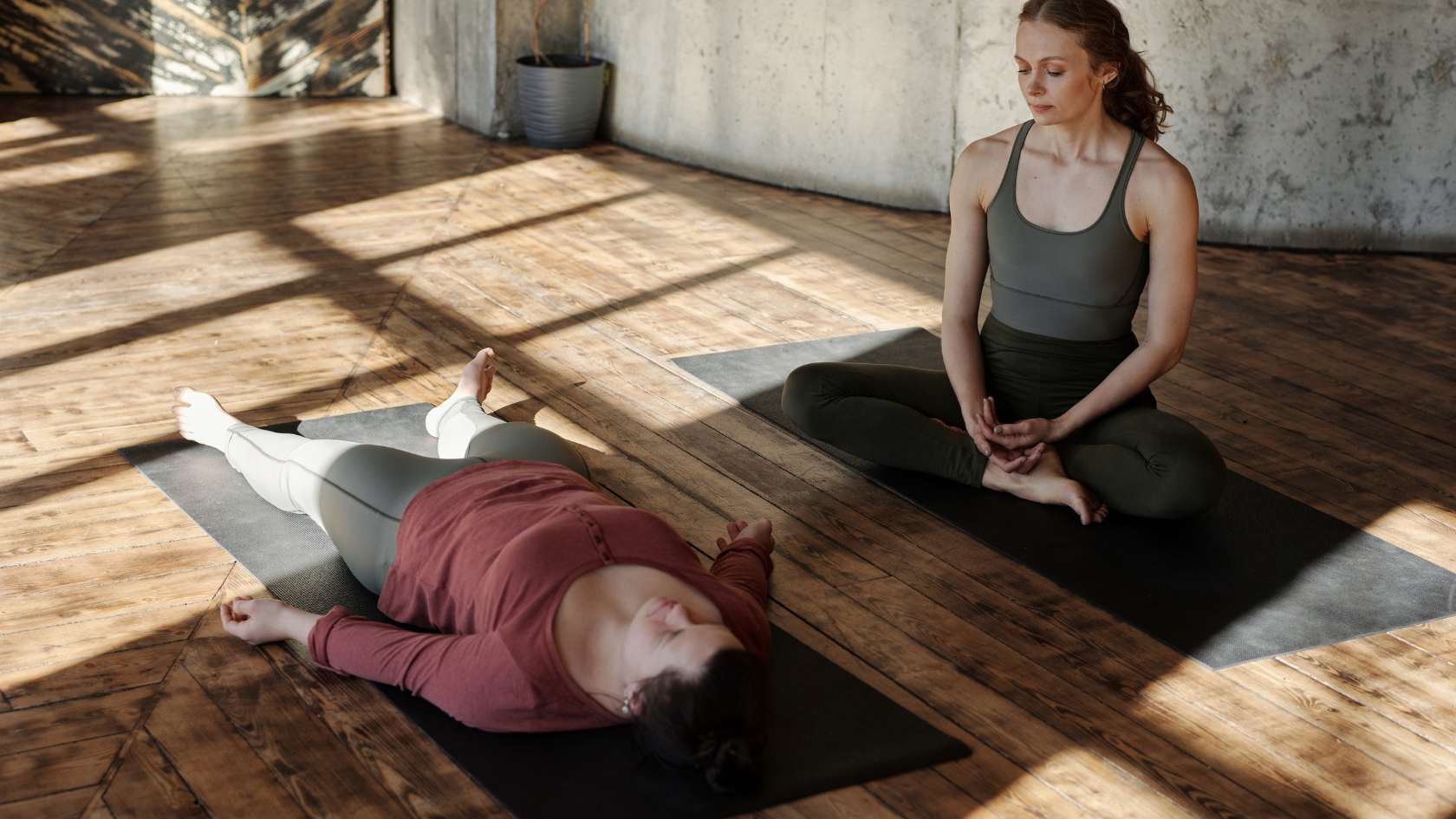
We touched on this practice earlier, and here I want to go a little deeper. The Wim Hof Method was created by Dutch extreme athlete Wim Hof, often called “The Iceman.” It rests on three main pillars: specialized breathing exercises, cold exposure, and focused mindset training.
How It Is Practiced
A typical session involves about thirty strong inhalations followed by relaxed exhalations. This cycle is repeated for thirty breaths. On the final exhale, the breath is held as long as possible, followed by a deep recovery inhalation held for about fifteen seconds. The full sequence is often repeated for three rounds. The breathing is then paired with gradual cold exposure, such as cold showers or ice baths, and supported by mental concentration techniques.
Potential Benefits
Practitioners often report a wide range of benefits. These include improved immune function, reduced inflammation, better stress resilience, improved sleep, heightened mental clarity, and greater energy. Some research suggests the method may influence inflammatory pathways by increasing epinephrine levels and stimulating anti-inflammatory responses. Other claimed benefits include faster recovery from physical exertion, improved athletic performance, stronger metabolism, and even support for certain autoimmune or respiratory conditions.
Origins and Scientific Context
Wim Hof himself attributes his endurance feats, such as ice swimming and climbing high mountains in minimal clothing, to mastery of this method. While the practice has drawn significant interest, it is worth noting that many of the scientific studies so far are small in scale. The results are promising but should be interpreted with care.
Safety Considerations
Because the method combines breath-holding with cold exposure, it is not without risk. Reported side effects have included dizziness, fainting, and in rare cases, accidents or drownings when practiced unsafely in water. It is strongly recommended to practice only in a safe environment, preferably sitting or lying down, and to avoid combining breath-holding with swimming or immersion. For those with heart or lung conditions, or other significant health concerns, medical consultation is advised before beginning.
Buteyko Breathing Method
The Buteyko Method offers a very different approach to the breath than the more forceful practices like Wim Hof. Where those techniques emphasize intensity, Buteyko teaches us the power of gentleness and reduction. Developed by Russian physician Konstantin Buteyko in the 1950s, the method is based on the principle that many modern breathing habits are too rapid and too shallow. By retraining the breath to be slower, softer, and primarily through the nose, the body can restore balance and health.
How It Is Practiced
The practice focuses on reducing over-breathing and encouraging nasal breathing at rest and during activity. A typical session may involve sitting quietly, bringing awareness to the breath, and gently shortening the inhale and exhale so that the breathing feels almost imperceptible. Small breath holds are sometimes included to increase tolerance to carbon dioxide, which is considered essential for efficient oxygen delivery in the body.
Potential Benefits
Buteyko breathing is often used to support conditions like asthma, sleep apnea, anxiety, and even athletic performance. By improving carbon dioxide tolerance, it helps regulate breathing patterns, reduces breathlessness, and supports better oxygen exchange. Many practitioners also notice improved sleep quality, reduced snoring, and a greater sense of calm. For athletes, Buteyko can increase endurance by training the body to use oxygen more efficiently.
Origins and Scientific Context
Konstantin Buteyko first developed the method while observing that many patients with chronic conditions had irregular breathing patterns. His insight was that restoring balance to the breath could restore balance to the body. While scientific studies vary in quality and size, enough evidence has accumulated to make Buteyko a widely recognized complementary approach for respiratory health.
Safety Considerations
Because the method emphasizes gentle breathing and mild breath holds, it is generally considered safe. However, anyone with significant respiratory or cardiovascular conditions should consult a healthcare provider before beginning. The key is not to push or strain, but to approach the practice gradually and consistently.
Breathwork for Addiction Recovery
Cravings and emotional distress are common triggers that can challenge the path of recovery. Breathwork offers a practical, non-chemical tool that can be used in these critical moments to create stability and grounding. It gives people something immediate to reach for, a way to regulate the body and emotions without turning to substances.
Emotional Regulation and Stress Reduction
Practices such as 4-7-8 breathing or coherent breathing are simple yet powerful ways to activate the parasympathetic nervous system, which helps counteract stress and lower cortisol levels. This shift in the nervous system supports emotional stability, which is an essential foundation for maintaining sobriety. In my experience, when someone learns to use the breath to ride out a craving or calm a surge of anxiety, it can become a turning point in their recovery journey.
Supporting Recovery Through Group Practice
In group settings, certain forms of breathwork, like Holotropic Breathwork, have been explored as adjunctive therapies in addiction treatment. They offer a way to process stored emotions, release anxiety, and even support relapse prevention when practiced with skilled facilitation. Group practice also brings the benefit of community, reminding individuals they are not alone in their healing. I have seen how the shared rhythm of breath can strengthen trust, openness, and connection among participants in recovery circles.
Broader Benefits of Breathwork in Recovery
Beyond the emotional dimension, deep breathing practices can support detoxification by stimulating the lymphatic system and improving respiratory function. They also help reduce muscle tension, improve circulation, and build overall physical resilience, which is especially important in the early stages of recovery when the body is working hard to find balance again.
Consistency and Portability
One of the gifts of breathwork is its accessibility. It is free, portable, and available at any moment. The breath can be used at home, in a meeting, before bed, or even in the midst of a craving. This consistency builds autonomy and self-efficacy, empowering individuals to take recovery into their own hands. Over time, the breath becomes more than a tool. It becomes a trusted ally, always available, always close.

Breathwork for Insomnia
Sleep disturbances often come from racing thoughts or from the body being stuck in a state of hyperarousal at bedtime. Breathwork gives us a direct way to reset the system and prepare the mind and body for rest. This is an unfortunately all too common concern. The good news is that working with the breath has shown to help people improve their sleep and state of restfulness.
Physiological Mechanism
Slow, deep breathing activates the parasympathetic nervous system. This is the branch of the nervous system that calms the mind, lowers cortisol, slows heart rate, and creates optimal conditions for falling asleep. When students begin to feel the shift from a racing mind to a softened nervous system, they often describe it as if the body is finally given permission to let go.
Specific Techniques
One of the simplest and most effective practices for sleep is the 4-7-8 method, developed by Dr. Andrew Weil but rooted in ancient pranayama. It uses a prolonged exhalation to stimulate the relaxation response. I often suggest it for those who struggle to fall asleep because it gently guides the body out of stress and into rest.
Coherent Breathing and Sleep Efficiency
Breathing at a steady rhythm of about five breaths per minute for 20 minutes before bed has been linked to shorter time to fall asleep, fewer nighttime awakenings, and deeper overall sleep. From my experience, when people commit to this practice consistently, it can completely change their relationship with bedtime, making it a time of ease instead of frustration.
Daily Practice Yields Better Results
Breathwork for sleep is most effective when practiced regularly rather than occasionally. Just like with any skill, consistency deepens the benefits. Over time, the body learns the pathway into relaxation more quickly, and the results are often more sustainable than relying only on external sleep aids.
Alternative Techniques Like Moon Breathing
For those who are sensitive to breath-holding, moon breathing offers a gentle alternative. By inhaling through the left nostril and exhaling through the right, the parasympathetic system is activated. This method has been shown to slow the heart rate, lower cortisol, and support melatonin production. It is a soothing practice that pairs beautifully with nighttime routines.
Current Trends and How to Upgrade Your Breathwork
For many years, oxygen has been celebrated as the main focus of healthy breathing. Recent studies show that carbon dioxide also plays an essential role in how oxygen is delivered to the cells. Through what is called the Bohr effect, hemoglobin releases oxygen more easily when carbon dioxide levels in the tissues are balanced. If we over-breathe and blow off too much carbon dioxide, we can still show normal oxygen levels on a fingertip monitor while actually delivering less oxygen to the cells where it is needed.
Tools like capnography can measure carbon dioxide at the end of an exhale, with healthy adult readings typically falling between 35 and 45 mmHg. While this is more often seen in clinical or research settings, it gives us a useful reference point for understanding the relationship between breath and physiology.
There are also ways to “dose” this type of training. Capnometry-assisted breathing protocols teach people to gently raise low carbon dioxide toward a healthy range while softening and slowing the breath. These methods have shown promise in trials for panic disorder, though results vary in other conditions such as PTSD. For general nervous system regulation, slow or resonance breathing often lands at five to six breaths per minute, practiced for about 10 to 20 minutes a day over several weeks. This is when the benefits tend to accumulate, rather than expecting change from a single session.
As with all advanced approaches, these are starting points rather than strict rules. Anyone with medical conditions should seek guidance before diving into structured protocols. For most of us, simply softening and slowing the breath is already a profound practice, and with time it becomes a reliable way to prepare the body and mind for deep, restorative sleep.

Long COVID Recovery and Breathwork
People recovering from long COVID often live with conditions such as dysautonomia, including POTS, and post-exertional malaise. This means that doing “more” can sometimes trigger a delayed crash. Current medical guidance is moving away from one-size-fits-all programs and toward symptom-paced rehabilitation that adjusts to the severity of post-exertional malaise. Instead of pushing people to increase activity on a fixed schedule, the newer approach encourages individuals to stay within their energy envelope.
In practical terms, this means listening closely to the body and planning breathwork or other activity within current limits. The line of “too much” can shift from day to day, so recovery requires flexibility. This mirrors what has long been recognized in the care of people with ME/CFS. Graded exercise, which forces steady increases in activity, is not helpful here. What is helpful is creating a compassionate practice that honors daily capacity.
Where Breathwork Fits
Gentle, nose-led breathing is proving to be one of the safest and most supportive practices for those recovering from long COVID. Slow diaphragmatic breathing and resonance breathing can help calm the autonomic nervous system, steady heart rate, and support blood pressure regulation. Early research suggests that practicing at a slow, comfortable rhythm improves autonomic balance without pushing the system into post-exertional malaise.
For those with POTS, there is also encouraging evidence. Deep abdominal breathing has been shown to reduce the sharp rise in heart rate that often happens when moving from sitting to standing. This is practical proof that the breath can support blood flow regulation in ways that are gentle and accessible.
How to Practice Safely
The key is to keep sessions brief in the beginning. Start small, notice how the body responds, and monitor for 24 to 72 hours afterward. If no “payback” symptoms show up, you can gradually increase practice time. If fatigue or symptoms worsen, scale back. This approach, often called pacing, is what clinicians and experienced teachers are finding most sustainable.
This is the compassionate path. It does not push against the body but works with its signals and limits. Breathwork in this context becomes less about performance and more about creating a safe space for the body to restore balance, one slow and mindful breath at a time.

Pranayama and Chemotherapy Protocol
When practicing breathwork during chemotherapy, the key is to choose gentle, nose-led practices that support the nervous system without overtaxing a body that is already working very hard. Oncology-informed pranayama is simple, steady, and repeatable.
A good starting point is to sit upright, soften the belly, and inhale gently through the nose for about five to six seconds. Exhale through the nose for the same amount of time. Continue this easy rhythm for ten to fifteen minutes. If you enjoy working with sound, you can add quiet humming on the exhale for a minute at a time. The vibration can be soothing to the nervous system and grounding for the mind.
If you prefer a more traditional practice, alternate-nostril breathing done very slowly and without breath holds is another safe option. Telling your care team that you are practicing ten minutes of gentle diaphragmatic or resonance breathing twice a day is helpful, since this mirrors the way many clinical studies have structured breathing interventions. People who practiced this way during chemotherapy reported improvements in sleep, reductions in anxiety, and overall relief from the symptom burden of treatment. Early research has even shown that yogic breathing can shift salivary proteins connected to inflammation and nerve growth, which points to the body’s remarkable ability to regulate stress through breath.
Equally important is knowing what to avoid. During chemotherapy, it is best to skip forceful or rapid techniques like Kapalabhati or Bhastrika. Avoid long or straining breath holds, and stop any practice immediately if you feel dizziness, nausea, chest pressure, or eye strain. The practice should feel calming, not taxing.
A practical starter plan might look like this: ten minutes of slow belly breathing in the morning, five to ten minutes of the same or with soft humming in the evening, and three to five gentle cycles of alternate-nostril breathing on infusion days. Begin with shorter sessions and pay attention to how you feel over the following day. If there is no increase in fatigue or discomfort, you can gradually extend the time.
This calm and steady approach is where current evidence points. Patients who practiced regularly during chemotherapy not only reported less anxiety and better sleep but also showed measurable biological changes after even a single twenty-minute breathing session. Sharing your breathwork plan with your oncology nurse or doctor allows them to integrate it with your overall care.
Menopause Hot Flashes: Honest Odds and How Breathing Can Still Help
A question I hear often is, “Does paced breathing stop hot flashes?” The most honest answer is not reliably. Large randomized trials have shown that slow, guided breathing does no better than control conditions such as usual breathing or even listening to music. A 2023 position statement from The Menopause Society also does not recommend paced respiration as a treatment for vasomotor symptoms. This does not mean you are doing it wrong. It simply reflects that hot flashes are driven by changes in the brain’s temperature control system, and breathing alone usually cannot switch them off.
That said, there is still value here. While the breath may not erase hot flashes, it can change your relationship to them. Mindfulness practices and hypnotherapy have been shown to make hot flashes less bothersome and to improve sleep, even when the intensity remains the same. Pairing breath with these approaches can offer a realistic and compassionate way forward.
How to Breathe Through Night Sweats (and Why It Helps)
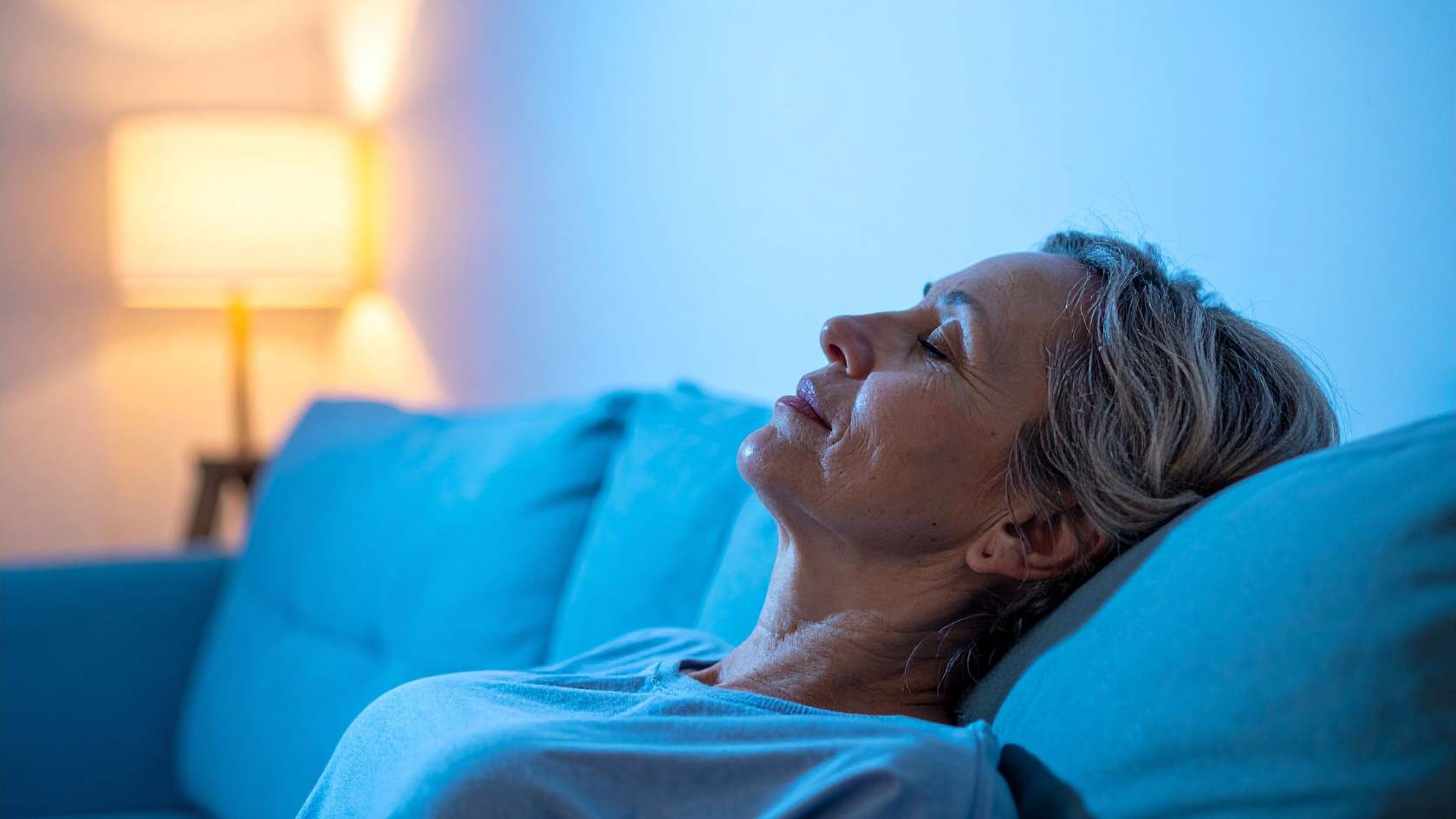
Even if breathing cannot prevent hot flashes, it can steady the nervous system so the wave feels shorter and less stressful. Here is a simple practice you can use when a flash or night sweat arises. Lie on your side or recline with one hand on your belly. Inhale gently through the nose for a calm count of four, then exhale through the nose for a count of six. Keep the breath soft and low in the belly. Stay with this 4-in/6-out rhythm for three to five minutes.
If anxiety rises in the middle of the night, you can add a soft hum on the exhale for three to five breaths. The vibration relaxes the throat and naturally lengthens the out-breath. To prepare for nighttime, practice this same rhythm once or twice a day for about ten minutes, especially in the evening.
This practice will not cure hot flashes, but many people find it reduces the intensity of the experience, helps them fall back asleep faster, and provides a sense of control. Breathing in this way also complements other evidence-based nonhormonal options such as CBT, clinical hypnosis, and supportive lifestyle changes.
Breathwork Across Women’s Health
While menopause often brings women to explore the breath as a tool for support, it is far from the only chapter of life where breathwork can help. At every stage of the female cycle and lifespan, the breath offers simple and accessible ways to steady the nervous system, regulate energy, and support healing.
Menstrual Cycles
During menstruation, breath practices can ease cramping and soothe the emotional intensity that sometimes rises with hormonal shifts. Gentle belly breathing, coherent breathing, or alternate-nostril breathing can calm the body and soften discomfort. Even five minutes of slow breath awareness can create a sense of relief and grounding.
Fertility
For those seeking to conceive, stress reduction and balance are essential. Practices such as resonance breathing or breath focus paired with gentle affirmations can support hormonal regulation by calming the stress response. Breathwork also fosters patience and presence during what can be an emotionally demanding journey.
Pregnancy and Postpartum
During pregnancy, safe, nose-led breathing techniques build awareness of the diaphragm and pelvic floor, which supports both labor and recovery. Slow breathing with gentle sound can also help manage the emotional ups and downs of pregnancy. After birth, breathwork becomes a way to reconnect with the body, restore core and pelvic stability, and regulate sleep and mood in the postpartum period. Simple practices like diaphragmatic breathing and humming on the exhale can be powerful tools for new mothers navigating exhaustion and transition.
Menopause
As discussed earlier, breath may not eliminate hot flashes, but it can reduce their impact and help regulate sleep, mood, and stress. The practice of soft, slow breathing offers a thread of continuity and stability during a major life transition.
In Closing
As I look back on all of these examples, what strikes me most is how adaptable the breath truly is. I have seen it serve gently during cancer treatment, offer steadiness in the unpredictable landscape of long COVID, and bring calm in the waves of menopause and night sweats. At every stage of life, the breath knows how to meet us. It offers comfort, stability, and strength exactly where it is most needed.
Walking this journey myself, and guiding others along the way, I have come to see that breathwork is not only about managing symptoms. It is a doorway into health and balance at every level of being. In many ways, I feel like a tour guide through this landscape, pointing out the ancient paths of pranayama in India, the fiery breathing rituals of Tibetan monks, the ceremonial rhythms of Indigenous shamans, and the more modern roads of methods like Wim Hof and Buteyko. Each tradition, in its own language, has discovered the same truth: how we breathe shapes how we feel, how we heal, and how we awaken.
Science now echoes what these wisdom traditions always knew. Breathing practices can ease stress, regulate the nervous system, support emotional health, strengthen immunity, balance blood pressure, improve sleep, and sharpen focus. The evidence continues to grow, but what has never changed is the simple fact that the breath is free, always with us, and always available.
As I close this reflection, my hope is that you feel invited to meet your own breath in a new way. Whether you are seeking calm in the midst of illness, grounding during transition, or simply a deeper presence in daily life, the breath can be your ally. Practiced with care and consistency, it is more than a wellness tool. It is a lifelong companion that connects you to your own life force and reminds you that resilience and wholeness are already within you.
A Note on Safety
This article is offered for education and guidance, not as a replacement for medical care. It is always wise to consult with your physician or another qualified health provider before beginning any breathwork or wellness practice, especially if you are living with health conditions or concerns. Please do not ignore or delay professional advice because of something you have read here. If you notice dizziness, chest pain, shortness of breath, or any symptom that feels unsafe, pause immediately and seek medical attention. The breath is a powerful ally, and part of honoring its power is practicing with awareness and respect for your body’s unique needs.
Acknowledgments
In writing this piece, I drew on the work of many thoughtful sources that are advancing both research and practice in the field of breathwork. I would like to thank The Menopause Society, The American Heart Association, The British Heart Foundation, Johns Hopkins Medicine, Harvard Health, Mayo Clinic, Cleveland Clinic, The National Center for Complementary and Integrative Health (NCCIH), Psychology Today, Oxford Academic, ScienceDirect, and PubMed Central, among others, for their contributions to the growing understanding of breathwork’s impact on health.
These organizations, journals, and clinical resources help bridge ancient wisdom with modern science, and I am grateful for the ways their insights continue to support practitioners, students, and seekers on this path.
Thank you for taking this journey with me.
Your friend in breath, Sita Severson, Assistant Director of Advanced Studies at the Soul of Yoga Institute.