Soul of YogaINSTITUTE · AREAS OF STUDY
Menu

Areas of Study

50-Hour Foundations of Yogic Breathwork Facilitation

A Ten-Month Online Certification Through the Soul of Yoga Institute

March 6–December 4, 2027
One Saturday each month | 8:00 a.m.–12:00 p.m. Pacific Time
Live online with faculty teaching, guided practice, and mentoring

Explore Registration and Tuition

A Ten-Month Online Certification Through the Soul of Yoga Institute

March 6–December 4, 2027
One Saturday each month | 8:00 a.m.–12:00 p.m. Pacific Time
Live online with faculty teaching, guided practice, and mentoring

Explore Registration and Tuition

A foundation you can trust

Over two decades of practice, study & community

4.91/ 5Based on 363 reviewsYoga Alliance Registered Yoga School 200Yoga Alliance Registered Yoga School 300Yoga Alliance Registered Yoga School 500IAYT accredited yoga therapy training program — view Soul of Yoga Institute’s IAYT profile

Explore the Foundations of Yogic Breathwork

Explore breath through the traditional teachings of Yoga, Tamil Siddha practice, and Tantra, alongside contemporary perspectives from psychology, anatomy, neuroscience, and sacred sound.

Within these traditions, breath holds a profound relationship with vitality, attention, meditation, and consciousness. This course invites you to experience that relationship for yourself while developing foundational skills for sharing selected practices with students or individuals.

You’ll learn with Jessica Dibb, Dr. Sundar Balasubramanian, Richard Miller, PhD, Monique “Mo” Lonner, and Dr. Kulreet Chaudhary, each bringing a distinct perspective on breath and its applications. Guided experiences, reflection, and mentoring help you connect the teachings with your personal practice and professional interests.

This course is approved by the Global Professional Breathwork Alliance (GPBA). Participants who successfully complete all requirements receive their GPBA Ethically Compliant Breathworker certification and the Soul of Yoga Institute’s 50-Hour Foundations of Yogic Breathwork Facilitation Certificate.

What You’ll Explore

The course brings traditional breath teachings into conversation with contemporary knowledge while honoring the different purposes, methods, and origins of each approach.

You’ll explore:

  • Prāṇa, prāṇāyāma, and breath within Yoga and the Tamil Siddha tradition
  • Mantra, sacred sound, and their relationship to breath and attention
  • Tantric meditation, interoception, and nondual awareness
  • Breath, emotional experience, psychological patterns, and higher consciousness
  • Respiratory anatomy, breathing mechanics, and individual variation
  • Breath, brain function, stress physiology, and current research
  • Foundational facilitation skills, including consent, adaptations, pacing, and completion
  • Ethical responsibility, professional boundaries, and appropriate referral

Each module includes practices for personal exploration and discussion of selected introductory practices students may share with others, including preparation, modifications, and precautions.

Key Takeaways

By the end of the course, you’ll have developed a foundation for understanding and sharing breath practices with respect for their traditional origins, individual needs, and the responsibilities of facilitation.

You’ll be prepared to:

  • Explain foundational yogic and Siddha perspectives on prāṇa and breath.
  • Recognize distinctions among traditional prāṇāyāma, contemplative breath practices, and contemporary breathwork.
  • Use selected introductory breath, meditation, and mantra practices for personal exploration and appropriate application with students or individuals.
  • Introduce and guide foundational practices with attention to preparation, consent, pacing, modifications, and completion.
  • Understand how breath interacts with sensation, attention, emotion, and physiological experience.
  • Support reflection on emotional and spiritual experiences without imposing interpretations.
  • Recognize precautions, personal limitations, and situations requiring additional training or professional referral.
  • Discuss potential benefits responsibly, distinguishing traditional teachings, personal experience, and scientific evidence.
  • Continue developing through personal practice, mentoring, and further education.

Who This Course Is For

This course welcomes those who want to deepen their relationship with breath and those who wish to bring foundational practices into their work with others.

It may be especially valuable for:

  • Yoga teachers and yoga therapists
  • Meditation teachers and contemplative educators
  • Ayurvedic and other wellness practitioners
  • Psychotherapists, counselors, and coaches
  • Nurses and other healthcare professionals
  • Occupational and physical therapy professionals
  • Bodyworkers and somatic practitioners
  • Spiritual-care providers
  • Experienced breathwork students
  • Individuals seeking an immersive personal study of breath

Prior practitioner experience is recommended, but isn’t required for those who intend to share foundational practices with students or individuals. No previous professional breathwork certification is required.

Participants should be willing to develop a personal practice and engage in experiential learning, reflection, mentoring, and introductory facilitation exercises. Graduates are expected to work within the practices taught and the limits of their education and professional qualifications.

Meet Your Faculty

Jessica Dibb

Jessica Dibb

Read biography of Jessica Dibb

Jessica Dibb

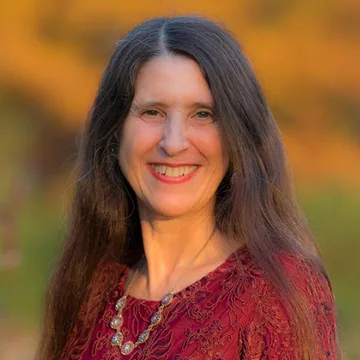
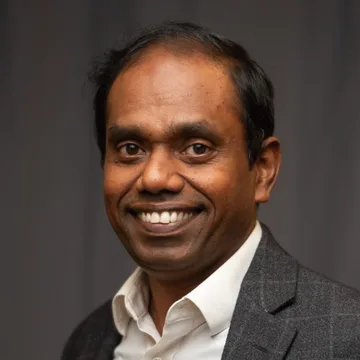
Jessica Dibb is the founder and director of Inspiration Consciousness School and Community, Inc., dedicated to promoting personal, relational, and planetary wellness. She is also the Co-President of the GPBA and the Chair of the GPBA Ethics Committee. For over 25 years, she has developed a unique, highly-integrated model of psycho-spiritual healing and growth that supports self-actualization. This multi-dimensional approach includes Breathwork, psycho-dynamic principles, eclectic spiritual practices, somatic awareness, movement, the Enneagram, teachings from several lineages, and emergent wisdom practices.

Dr. Sundar Balasubramanian

Dr. Sundar Balasubramanian

Read biography of Dr. Sundar Balasubramanian

Dr. Sundar Balasubramanian

was born in Karambakkudi, Pudukkottai District, Tamil Nadu, India, into a family that has practiced Yoga and Siddha medicine for generations. He learned and mastered asana, pranayama, meditation, and kirtan from a young age, later deepening his practice at Swami  Chitbhavananda's Vivekananda Gurukula College.

He is a cell biology researcher in the Department of Radiation Oncology at the Medical University of South Carolina, a certified yoga therapist (C-IAYT), and the founder and CEO of PranaScience Institute, which he established in 2017 to study Pranayama through evidence based research, including techniques rooted in the ancient Siddha tradition. His work has linked yogic breathing to measurable health biomarkers, spanning applications in cancer care, aging, mental health, and employee wellness.

Sundar is the author of PranaScience: Decoding Yoga Breathing and Mind Your Breathing: A Yogi's Handbook with 37 Pranayama Exercises (published in Tamil, English, and Hindi), and his TEDx talk on the science of yogic breathing has drawn over a million views.

Richard Miller, PhD

Richard Miller, PhD

Read biography of Richard Miller, PhD

Richard Miller, PhD

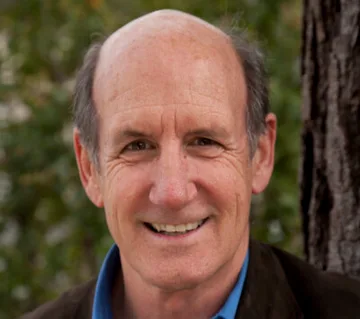
is a clinical psychologist, author, researcher, yogic scholar and spiritual teacher. For over 40 years, Richard Miller has devoted his life and work to integrating the nondual wisdom teachings of Yoga, Tantra, Advaita, Taoism and Buddhism with Western psychology.

Richard is the founding president and CEO of the Integrative Restoration Institute, co-founder of The International Association of Yoga Therapy and founding editor of the professional Journal of IAYT. He is also a founding member and past president of the Institute for Spirituality and Psychology and a senior advisor for the Baumann Foundation for the study of Awareness and its impact on well-being.

Author of Yoga Nidra: The Meditative Heart of Yoga, Richard serves as a research consultant studying the iRest Yoga Nidra protocol that he has developed (Integrative Restoration ~ iRest, a modern adaptation of the ancient nondual meditation practice of Yoga Nidra) researching its efficacy on health, healing and well-being with diverse populations including active-duty soldiers, veterans, college students, children, seniors, the homeless, the incarcerated, and people experiencing issues such as sleep disorders, PTSD, chemical dependency, chronic pain, and related disorders.

Monique “Mo” Lonner

Monique “Mo” Lonner

Read biography of Monique “Mo” Lonner

Monique “Mo” Lonner

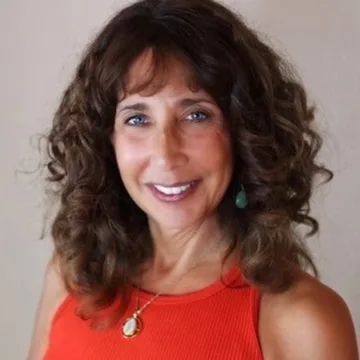
is the Founder of Soul of Yoga’s Accredited Yoga Therapy Program. A Yoga teacher for 20 years, she studied in India, New York and California with Master teachers and spiritual sages including, most notably, the teaching faculty of the Soul of Yoga Institute Advanced Program.

Monique has developed the Advanced Teacher Training and Yoga Therapy Program for Soul of Yoga, bringing together those who are considered to be the best of the best Master yoga teachers in the world today. A devoted spiritual seeker, as well as an experienced anatomy and physiology teacher she has created a comprehensive program which balances the study of Yoga Therapy technique with the insight and wisdom of Yogic and metaphysical philosophy.

Dr. Kulreet Chaudhary

Dr. Kulreet Chaudhary

Read biography of Dr. Kulreet Chaudhary

Dr. Kulreet Chaudhary

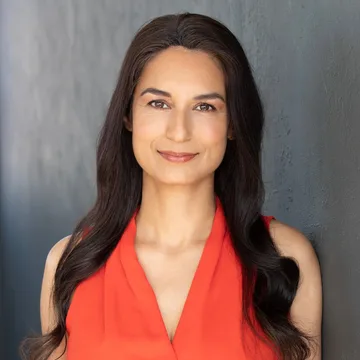
As a neurologist and neuroscientist, she spent over a decade treating complex neurological disorders—multiple sclerosis, Parkinson’s disease, migraines—at Scripps Memorial Hospital, where she served as the Director of Wellspring Health. But her approach was different. She wasn’t satisfied with simply managing symptoms. She wanted to understand why her patients were struggling and how they could heal at the root.

That search led her beyond the boundaries of traditional medicine and into the ancient sciences of Ayurveda and Siddha Medicine—where healing was about more than prescriptions. “The mind and body are not separate,” she explains. “The Siddhas understood this thousands of years ago, and their wisdom holds the secrets to longevity, resilience, and transformation.”

Your Faculty and Course Journey

2027 Course Dates · Saturdays, 8:00 a.m.–12:00 p.m. Pacific Time

Course Format

  • Duration: Ten months, March–December 2027
  • Location: Live online
  • Faculty sessions: Ten four-hour Saturday sessions
  • Time: 8:00 a.m.–12:00 p.m. Pacific Time
  • Mentoring and integration: Ten additional live hours
  • Ethics education: Eight additional recorded hours

March 6, 2027 · Breath, Self-Awareness, and the Psychology of Transformation

Jessica Dibb

Begin with an experiential exploration of breath and its relationship to sensation, attention, emotion, and consciousness. Jessica introduces self-observation, personal inquiry, and the foundations of participating in and sharing breath practices with care.

April 3, 2027 · Siddha Foundations of Breath, Mantra, and Vitality

Dr. Sundar Balasubramanian

Explore breath within the Tamil Siddha tradition, including selected teachings from the Tirumantiram, mantra, and traditional understandings of vitality. Dr. Sundar brings these teachings into conversation with contemporary research on yogic breathing and its biological effects.

May 1, 2027 · Breath as Meditation: Prāṇāyāma and Interoception

Richard Miller, PhD

Experience breath as sensation and embodied awareness. Explore natural and intentionally regulated breathing, breathing spaces, mudras, and the movement from directing the breath toward receiving it within meditation.

June 5, 2027 · Breath as Meditation: Nondual Awareness and Integration

Richard Miller, PhD

Deepen into the relationship between breath and the sense of self, releasing technique into meditation, and the awareness in which breathing occurs. Explore integration following meaningful experiences and how to guide silence while remaining present to participants.

July 10, 2027 · Breath, Emotional Experience, and Psychological Integration

Jessica Dibb

Investigate the relationship among breathing, emotion, protective responses, and habitual patterns. Learn how reflection and integration can help bring personal experiences into daily life, alongside listening skills that respect another person’s process.

August 7, 2027 · Anatomy and Physiology of Breath

Monique “Mo” Lonner

Develop a working understanding of respiratory anatomy and breathing mechanics. Explore the diaphragm, rib movement, posture, and individual variation, with practical applications for observation and adapting introductory breath instruction.

September 4, 2027 · Breath, Higher Consciousness, and Spiritual Inquiry

Jessica Dibb

Explore breath within contemplative inquiry and experiences of expanded awareness. Consider the relationship between psychological development and spiritual experience, while learning to respect different interpretations and support integration.

October 2, 2027 · The Psychology and Presence of Breathwork Facilitation

Jessica Dibb

Bring personal learning into the relational skills of facilitation. Explore listening, facilitator expectations, professional boundaries, and the preparation, pacing, and completion of a foundational session.

November 6, 2027 · Breath, Brain, and Sacred Sound

Dr. Kulreet Chaudhary

Explore the relationship among breath, brain function, attention, mantra, and Nāda Yoga. Dr. Chaudhary draws on her experience as a neurologist to connect traditional practices with contemporary neuroscience, including what the evidence can and can’t establish.

December 4, 2027 · Integration, Facilitation, and the Continuing Path

Jessica Dibb

Bring the year’s teachings together through reflection, introductory facilitation exercises, and feedback. Identify your strengths, areas for further learning, and a personal path for continued practice and education.

Mentoring and Integration

Ten hours of live mentoring and integration support your learning throughout the course, including five sessions with Jessica Dibb.

These sessions offer opportunities to ask questions, reflect on personal experiences, practice guiding short exercises, and receive feedback on language, pacing, and completion. They also help you consider appropriate adaptations, precautions, and the limits of your preparation.

The time between monthly modules gives you space to explore your practice and return with questions informed by experience.

2027 Breathwork Mentoring Dates

All times Pacific. Nearly all mentoring dates are confirmed but may shift slightly.

  • March 15, 2027 · 5–6 p.m. PT
  • April 12, 2027 · 5–6 p.m. PT
  • May 10, 2027 · 5–6 p.m. PT
  • June 17, 2027 · 5–6 p.m. PT
  • July 24, 2027 · 9–10 a.m. PT
  • August 21, 2027 · 9–10 a.m. PT
  • September 23, 2027 · 5–6 p.m. PT
  • October 14, 2027 · 5–6 p.m. PT
  • November 20, 2027 · 9–10 a.m. PT
  • December 13, 2027 · 5–6 p.m. PT

The course includes 50 hours of faculty teaching, mentoring, and integration, plus eight separate hours of ethics education.

Recordings of faculty sessions will be available to registered students. Attendance and recording-based completion follow the institute’s course policies.

Course Registration

Tuition: $1,250 by February 1, 2027; $1,450 thereafter.

Payment plans available.

Some states may apply taxes.

SIGN ME UP!

Approval and Certification

The 50-Hour Foundations of Yogic Breathwork Facilitation is approved by the Global Professional Breathwork Alliance (GPBA).

Participants who successfully complete the teaching modules, mentoring, recorded ethics education, and other course requirements receive:

  • GPBA Ethically Compliant Breathworker certification
  • Soul of Yoga Institute’s 50-Hour Foundations of Yogic Breathwork Facilitation Certificate

This foundational certification supports introductory practice and ethical facilitation. It is distinct from GPBA’s more extensive Certified Professional Breathwork Practitioner pathway.

Begin Your Study of Breath

Join a community of learners exploring breath through traditional wisdom, contemporary knowledge, and direct experience. Develop your personal practice while beginning to cultivate the understanding and care needed to share foundational practices with others.

Begins March 6, 2027 | Live online

SIGN ME UP!

Frequently Asked Questions

When and where does the course take place?

The course runs live online from March 6 through December 4, 2027, with one four-hour Saturday faculty session each month, 8:00 a.m.–12:00 p.m. Pacific Time. Ten additional live mentoring hours support learning and integration.

How much does the course cost?

Tuition is $1,250 by February 1, 2027, and $1,450 thereafter. Payment plans are available. Some states may apply taxes.

Do I need previous experience or a breathwork certification?

No previous professional breathwork certification is required. Prior practitioner experience is recommended, but isn’t required for those who intend to share foundational practices with students or individuals. Participants should be willing to develop a personal practice and engage in experiential learning, reflection, mentoring, and introductory facilitation exercises.

What is included in the 50 hours?

The course includes 40 hours of faculty sessions and ten hours of live mentoring and integration. Eight separate recorded hours of ethics education are additional to the 50 hours.

Will recordings be available?

Recordings of faculty sessions will be available to registered students. Attendance and recording-based completion follow the institute’s course policies.
What certification will I receive?

Participants who successfully complete the teaching modules, mentoring, recorded ethics education, and other course requirements receive GPBA Ethically Compliant Breathworker certification and the Soul of Yoga Institute’s 50-Hour Foundations of Yogic Breathwork Facilitation Certificate. This foundational certification is distinct from GPBA’s more extensive Certified Professional Breathwork Practitioner pathway.

What does mentoring include?

Ten hours of live mentoring and integration include five sessions with Jessica Dibb. Sessions offer opportunities to ask questions, reflect on personal experiences, practice guiding short exercises, and receive feedback on language, pacing, and completion. Nearly all mentoring dates are confirmed but may shift slightly.

What will this foundational training prepare me to share?

The course develops foundational skills for sharing selected introductory breath, meditation, and mantra practices with students or individuals, with attention to preparation, consent, pacing, modifications, precautions, and completion. Graduates are expected to work within the practices taught and the limits of their education and professional qualifications, and to recognize when additional training or professional referral is needed.

Privacy choices · Do Not Sell or Share

Manage advertising and analytics choices below. Videos, classes and newsletter signup are available with either choice. Changes are saved automatically on this browser.

Newsletter subscriptions and SMS permission are separate. Advertising opt-out stops future advertiser transmission; it does not stop US internal measurement or recall data already sent. Outside the US, analytics remains opt-in.

If you follow an affiliate referral link, we keep limited first-party referral details on this browser for up to 120 days to credit the person who referred you when you submit an eligible inquiry or make a purchase. This works independently of optional analytics and advertising choices and Global Privacy Control. For a referred inquiry, we share your name, email, phone number, referral code and request identifier with Referral Rock to record and administer the referral.

Videos connect to YouTube when played. Newsletter signup is provided by Emma. Your browser’s privacy signal disables advertising tracking without disabling these features.

Read our privacy policy