
In this article
Most people never question the way they breathe, yet the breath may quietly influence sleep, stress, energy, focus, anxiety, and long-term health more than we realize. What if one of the most overlooked contributors to modern illness has been happening thousands of times a day, right beneath our awareness?
5 Key Takeaways
- Most people are breathing in a way that keeps the nervous system in a subtle but ongoing state of stress, often without realizing it.
- Nasal breathing supports better oxygen delivery, sleep quality, focus, immune resilience, and emotional regulation in ways modern science is only beginning to fully appreciate.
- Chronic mouth breathing and shallow chest breathing may contribute to issues ranging from fatigue and anxiety to sleep disturbances and poor recovery.
- The modern lifestyle, including soft processed foods, sedentary habits, poor posture, and chronic stress, has changed the structure of our airways and the way we breathe.
- Breath practices do not need to be extreme to be effective. Small shifts practiced consistently can profoundly influence how the body feels, rests, heals, and responds to stress.
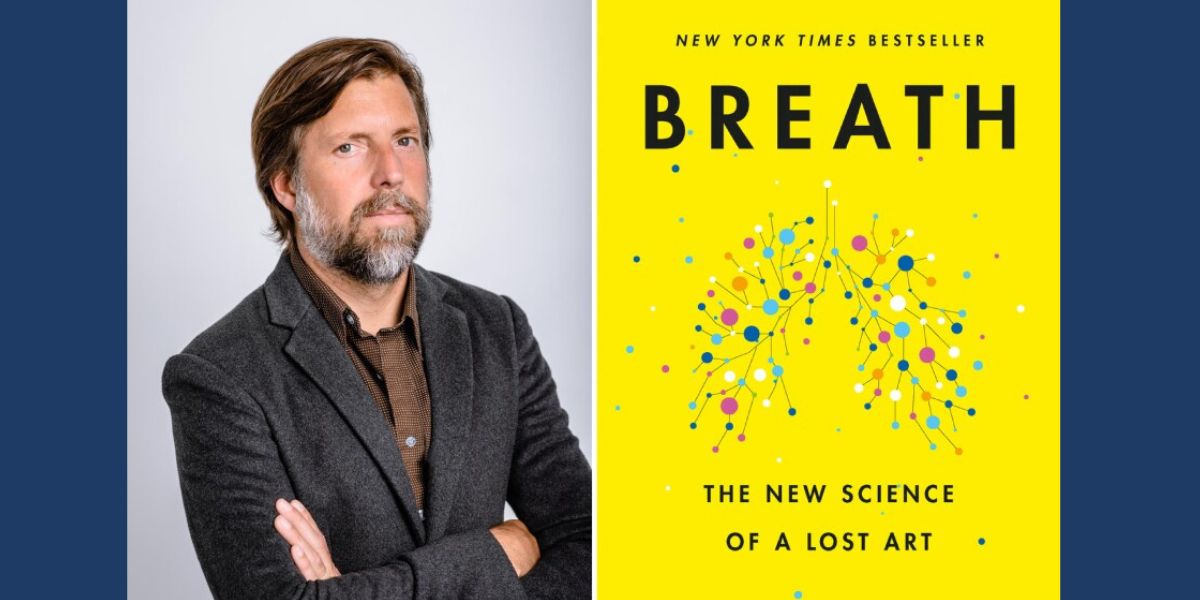
There is a seemingly invisible crisis unfolding in modern life that few people ever think about because breathing feels automatic. We assume that if we are alive, if air is moving in and out of the body, then everything must be working as it should. There was a time I thought this too. Reading the book, “Breath” by James Nestor, completely changed the way I understood health, energy, stress, sleep, and even the shape of the human body itself. Although a lifelong student, I found the science, research and Mr. Nestor’s well documented personal experience to be refreshing and groundbreaking.

Although the science is compelling, what struck me the most is the realization that something as ordinary as breath influences every system in the body without most of us noticing it. We have a tendency to normalize the body breaking down as part of the aging process but when we look at what the body is capable of when accessing the breath, we find that there is another way. A better way. The way we breathe affects sleep, anxiety, focus, blood pressure, energy levels, digestion, immune resilience, endurance, emotional regulation, and the nervous system itself. And yet very few people are ever taught how to breathe well. So while many of these concepts weren’t new to me, the science behind the different experiments was.
One of the most powerful ideas James Nestor shares is deceptively simple: “We’re breathing all day long. Most of us, the vast majority of us are doing it in a dysfunctional way.”
At first, to some this may sound exaggerated. Breathing is natural, after all. But when we begin observing people more carefully, and honestly observing ourselves, we start seeing it everywhere. Shallow breathing. Chest breathing. Mouth breathing. Fast breathing. Constant sighing. Chronic congestion. Exhaustion despite sleeping eight hours. Children unable to focus. Adults living in a constant state of low-grade tension that somehow has been normalized to a certain extent. Or, we can consider the myriad of diagnoses handed out to people with these chronic issues without ever thinking about how the breath can be our miracle medicine.
And perhaps most importantly, we can begin to notice how disconnected many people are from their own bodies. Most don’t realize they are barely breathing until someone guides them to slow down enough to feel it.

Many of us that are practitioners have seen over and over how people often try to heal themselves while ignoring one of the most foundational rhythms of life. Most people are taught to focus on supplements, diets, productivity systems, expensive wellness trends, biohacking devices, or intense exercise protocols, while breathing in a way that continually tells the body there is danger. I’m not pointing fingers here, I’m highlighting how overlooked the breath is across the board. We are in a moment in time however, when we know better, we can do better.
One of the most important teachings from James Nestor’s work is that the breath is not merely about oxygen. Most of us were taught a simplistic story: oxygen good, carbon dioxide bad but he eloquently illuminates how the body is far more intelligent and nuanced than that.
As Nestor explains, carbon dioxide plays a vital role in helping oxygen actually release into tissues where it is needed. Without healthy CO2 balance, oxygen can remain bound to hemoglobin instead of nourishing cells effectively.
This changes how we understand overbreathing.
Many people today unconsciously overbreathe all day long. Fast breathing, shallow breathing, anxious breathing, upper chest breathing are all very common. Although there are natural fluctuations of the breath throughout the day, the body interprets set patterns as described above as stress. The nervous system remains vigilant and the blood vessels constrict. Often what follows is that sleep begins to suffer then focus weakens and anxiety intensifies. The system keeps compensating, until eventually something begins to break down.
One quote from James Nestor that deeply stayed with me is this:
“You don’t want to be in a state where your body is always compensating. You want to be in a balanced state where your body can naturally do what it’s supposed to be doing.”
That sentence alone is gold. It seems so obvious when we think about it, but how often can we know something in theory without utilizing its wisdom?
So much of modern wellness culture is built around forcing, overriding, optimizing, or hacking the body. But the deeper wisdom traditions, particularly including Yoga and Ayurveda, have long understood that health emerges when we remove the interference that prevents the body from expressing its own innate intelligence.
The breath is one of our most potent gateways and it’s often hiding in plain sight.
Another area of Nestor’s work that is profoundly impactive is his discussion around mouth breathing and modern facial structure. He explores how industrialized soft foods changed the development of the jaw and airway across generations. Less chewing led to narrower mouths, reduced airway space, more congestion, crooked teeth, and greater tendencies toward mouth breathing and sleep disordered breathing.
As someone who works with embodied practices, this fascinated me because it reveals that breathing is not just a respiratory issue. His research shows us that it is structural, developmental, neurological as well as cultural.
Everything shapes our breath from sedentary lifestyles to stress, trauma, joy, happiness, our diet. The breath touches and impacts every aspect of our life, including, the quality of our life.
I’ve seen clients who believed they had anxiety discover that part of what they were experiencing was chronic overbreathing and nervous system hypervigilance. I’ve seen exhausted people realize they were sleeping with open mouths all night long and waking in a physiological stress response before the day even began. I’ve seen people soften long-held tension simply by learning how to slow the breath and reconnect with diaphragmatic breathing.
No one is suggesting that breathwork is a cure-all, and I appreciate that James Nestor is careful not to make reckless promises. In fact, one of the things I respect most about his work is that he repeatedly emphasizes nuance. He is not suggesting people abandon medical care or assume every condition can be fixed with breathing techniques. But he is asking a powerful question many people easily overlook:
What if breathing patterns are contributing to the problem more than we realize?
I think this question deserves a lot of attention.
One of the most astonishing sections of his research involved a Stanford experiment where participants spent time breathing only through the mouth, followed by nasal breathing. The results were dramatic.
- Snoring increased massively.
- Sleep apnea symptoms emerged rapidly.
- Blood pressure rose.
- Stress markers worsened.
- Brain fog, fatigue, and irritability intensified.
Would you believe that after returning to nasal breathing, many of these issues quickly improved? This also shows the incredible resilience of the body/mind complex as well, which I find incredible.
The body responds to breath far faster than most people imagine and the Yogis new this.

In yogic traditions, breath has never been viewed as a mechanical function. It is well known that prana is life force and breath is a relationship. The breath is the communication between body, mind, emotion, and awareness. The ancients understood that the way we breathe influences consciousness itself.
At long last, modern science is catching up to what many ancient traditions intuitively observed long ago.
What I love about James Nestor’s work is that he helps bridge these worlds. He brings curiosity, humility, investigative rigor, and lived experimentation into a conversation that desperately needs both science and wisdom.
And in the end, I love simple yet impactful truths. Sometimes healing begins with something as simple as noticing that you are breathing high in the chest while answering emails. Or realizing you have not taken a full relaxed breath all day. Or understanding that your nervous system has been living in emergency mode for so long that calm itself feels unfamiliar.
As James Nestor reminds us through both science and lived experience, the breath is far more powerful than most of us were ever taught. It’s not just a survival mechanism, but a bridge between all aspects of the self, including health and vitality. When we learn to breathe differently, we often begin living differently too.
FAQs
Is mouth breathing really that harmful?
Occasional mouth breathing is completely normal, especially during exercise, illness, or congestion. The concern is chronic mouth breathing, particularly during sleep or throughout the day, which has been associated with poorer sleep quality, increased stress responses, snoring, dry mouth, and inefficient breathing patterns.
Why is nasal breathing considered healthier?
The nose helps filter, humidify, warm, and regulate incoming air. Nasal breathing also supports nitric oxide production and encourages slower, deeper breathing patterns that help regulate the nervous system and improve oxygen delivery.
Can breathing practices help anxiety?
For many people, yes. Slow, diaphragmatic, nasal breathing can help calm the stress response and improve resilience within the nervous system. While breath practices are not a replacement for appropriate medical or psychological care, they can be a powerful supportive tool.
Does improving breathing mean I should stop medical treatment?
No. Breath practices should complement appropriate medical care, not replace it. If you have a medical condition such as asthma, COPD, sleep apnea, anxiety disorders, or cardiovascular concerns, it is important to work with qualified healthcare professionals.
Why are so many people struggling with breathing today?
Researchers and educators like James Nestor point to several contributing factors including processed soft foods, chronic stress, poor posture, sedentary lifestyles, indoor living, airway changes, and disrupted sleep habits.
What is the easiest place to begin?
Awareness. Notice whether you are breathing through the mouth or nose during the day. Notice whether your breath is shallow and rushed or relaxed and steady. Often the first step is simply learning to pause and reconnect to the breath again.
Deepen your breathwork practice
Breathwork Certification
Study breath-centered techniques, safe application, and skillful facilitation.
Explore Breathwork Training