


Learn to use it with integrity, wisdom, and power.
We are thrilled to present a 10-month, 50-hour online breathwork certification, a powerful journey that honors the ancient roots of Pranayama while exploring its modern, evidence-based applications in health, psychology, and consciousness studies.
This course aligns with the standards of the Global Professional Breathwork Alliance (GPBA) and counts toward full certification for those pursuing deeper professional pathways.
This training is designed for:
• Yoga teachers, therapists, and healthcare providers ready to incorporate breathwork in their offerings
• Coaches, guides, and healing arts professionals seeking certification and ethics-based training
• Personal seekers craving a grounded, heart-led path into the power of the breath

Course Vision & Objectives
At its heart, this training bridges traditional Yogic Pranayama with contemporary clinical and therapeutic applications, offering a direct, embodied experience of breath as medicine, teacher, and path to awakening.
By the end of the course, you will:
- Understand the Yogic foundations of Pranayama—its purpose, stages, and transformative capacity
- Explore breath anatomy and physiology, including functional mechanics
- Learn how breathwork supports oncology, immunology, psychotherapy, occupational therapy, and trauma recovery
- Experience the psychospiritual and awakening potential of breathwork
- Integrate a wide range of breath practices for self-care and client work
- Gain language, tools, and protocols for sharing breathwork safely in diverse settings


Course Vision & Objectives
At its heart, this training bridges traditional Yogic Pranayama with contemporary clinical and therapeutic applications, offering a direct, embodied experience of breath as medicine, teacher, and path to awakening.
By the end of the course, you will:
- Understand the Yogic foundations of Pranayama—its purpose, stages, and transformative capacity
- Explore breath anatomy and physiology, including functional mechanics
- Learn how breathwork supports oncology, immunology, psychotherapy, occupational therapy, and trauma recovery
- Experience the psychospiritual and awakening potential of breathwork
- Integrate a wide range of breath practices for self-care and client work
- Gain language, tools, and protocols for sharing breathwork safely in diverse settings
Meet Your Teachers

Sita Severson
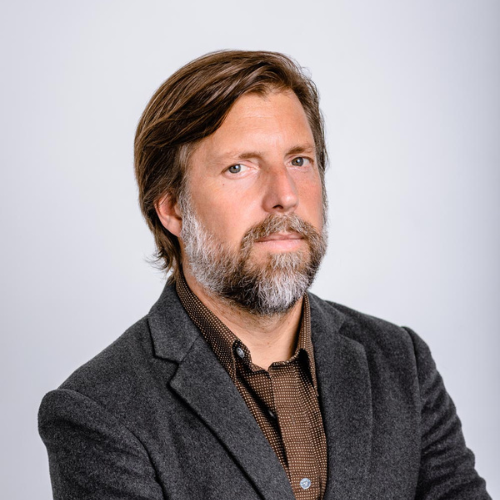
James Nestor
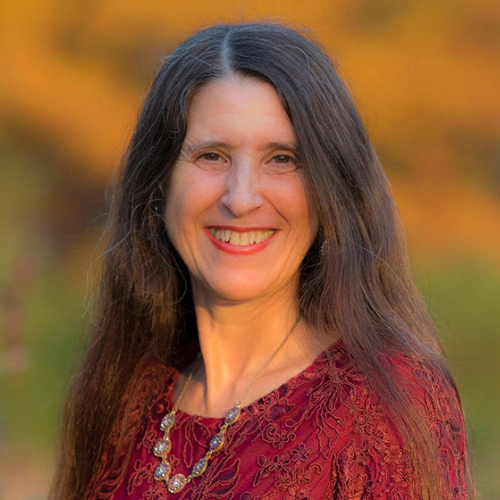
Jessica Dibb

Dr. Sundar Balasubramanian

Monique Lonner

Michael Brian Baker

Dr. Kulreet Chaudhary
Training Schedule 2025-2026
Unlike condensed trainings, this extended format allows for deep learning, sustainable growth, and real-life application.
Video on Demand
Pre-Recorded Courses – 4 hours each
- The Subtle Science of Breath
- Roots of Prāṇa
- Breath Meets Biology
- Breath & Body
- Breath & Brain
- Breath & the Medical System
- Breath & Psychotherapy
- Spiritual Awakening
- Breath, the Lost Art with James Nestor (access to this course expires on August 4th)
- Tradition to Awakening
- Bonus Course: Authentic Breathing for Authentic Being
Breathwork Courses
One Saturday per Month | Online 8am–12pm PT
This course is available by video on demand. Sixteen month access. Prefer to attend live? New cohort forming in March 2027.
Recordings available if you can’t attend live.
Monthly Integration/Mentoring
Online with Course Director, Sita Severson
- September 19th 9-10am PST
- October 15th 5-6pm PST
- November 18th 5-6pm PST
- December 19th 9-10am PST
- January 16, 2027 9-10am PT
- February 9, 2027 5-6pm PT
Recordings available if you can’t attend live.

After completion of the course you will:
Earn the Global Professional Breathwork Alliance (GPBA) Designation “Ethically-Compliant Breathworker”
Upon completion, you’ll qualify to be listed with the Global Professional Breathwork Alliance, receive your personalized digital badge, and unlock access to:
- The GPBA Directory
- A printable certificate
- Members-only content & forums
- Opportunities to post events/workshops
- Future publication opportunities
About the Global Professional Breathwork Alliance (GPBA)
The Global Professional Breathwork Alliance (GPBA) is an international certifying body that sets ethical, educational, and professional standards for the field of conscious breathwork. As breath-based healing modalities grow in popularity and clinical recognition, the GPBA provides vital structure and credibility, ensuring that breathwork practitioners are trained with integrity, skill, and a deep respect for the power of the breath.
Founded by leaders in both ancient pranayama traditions and modern somatic psychology, the GPBA bridges wisdom traditions with contemporary science, advocacy, and professional development. It is one of the only global organizations dedicated specifically to breathwork certification, ethical guidelines, and continuing education, offering practitioners a meaningful pathway to become respected and responsible facilitators of breath-centered healing.
For students and professionals alike, credentialing through the GPBA signifies a high standard of excellence which includes trauma-informed care, scope of practice, and cultural awareness. This is especially important in a growing field where quality, safety, and experience truly matter.
Frequently Asked Questions
How much does breathwork certification cost?
Our 50-Hour Breathwork Certification is $975 when you pay in full. A payment plan is available with four monthly payments of $250 which includes mentorship.
On average other programs range from $400–$600 for short 20–40 hour courses without mentorship to, $1,000–$2,500 for 40–100 hour instructor trainings, and $3,000–$7,000 for multi-month facilitator certifications that often include retreats and mentorship.
Do I need previous experience with breathwork to get certified?
No prior certification is required. This training is designed for yoga teachers, therapists, healthcare providers, coaches, beginners, and dedicated seekers alike. Many of our students integrate their new breathwork knowledge into other therapeutic work, while some use this as a powerful starting point. In this course, we begin with foundational practices and build into facilitation skills.
How long does the certification take?
Our Breathwork Certification is a 10-month, 50-hour program. This includes monthly mentoring sessions to help with integration. Recordings are available for continued study. The curriculum is intentionally paced to support deep learning, practice, and integration, while also fulfilling all requirements for full certification by the Global Professional Breathwork Alliance (GPBA).
What is the difference between online and in-person breathwork training?
Our live online format creates genuine teacher-student connection and meaningful engagement. Being face to face on screen often minimizes distractions and allows for focused learning. Each session includes opportunities for live questions, answers, and direct interaction with our world-class faculty. Recordings are available if you cannot attend live, while the greater benefit comes from joining in real time when possible so you can engage directly with our faculty and community. For many, this opportunity to study with these teachers is truly unique.
Is the certification accredited and what should I look for?
Yes. A credible program should uphold clear ethics, consistent standards, and recognition by a professional body. Our certification is aligned with the Global Professional Breathwork Alliance (GPBA), which sets international standards for safe and ethical practice. Graduates earn the Ethically Compliant Breathwork Facilitator designation, along with a digital badge and directory listing. This provides assurance that your training is recognized, your facilitation is grounded in professional ethics, and your work carries credibility with clients and organizations alike.
Why is ethical accreditation important in breathwork training?
Ethical accreditation creates a standard of accountability and trust. The Global Professional Breathwork Alliance (GPBA) provides one of the few recognized frameworks, with a Code of Ethics that covers safety, client suitability, clear agreements, boundaries, confidentiality, and ongoing professional growth. Aligning with these standards ensures that facilitators practice with integrity and that clients are cared for in a responsible, ethical way.
Is trauma-informed training necessary?
Yes. Breath has the power to open profound states of awareness, memory, and emotion. Without proper preparation, this can feel overwhelming for both facilitator and client. Trauma-informed training ensures that you recognize signs of activation, know how to support regulation, and create a container where participants feel safe and respected. It is not only about technique but about cultivating sensitivity, presence, and the ability to respond skillfully when someone is vulnerable.
This is why trauma awareness is considered essential in professional breathwork. GPBA standards emphasize ethical practice, safety, and scope, and these principles are built into our program. By weaving trauma-informed care throughout the training, we prepare facilitators to hold space with integrity and compassion. In today’s world, where so many people carry layers of stress and unresolved trauma, this level of awareness is not optional. It is what makes the difference between simply offering a breath practice and guiding someone through a truly healing experience.
Can I begin working with clients during training?
Yes, and we encourage it. Many students begin offering practice sessions while still in training, always staying within the scope of what they have learned and with clear client consent. Being transparent that you are learning is an important part of ethical practice, and clients are often open and supportive of the process. While not required, practicing during training gives you the chance to apply techniques, reflect on your experiences, and bring questions back to mentors and faculty. With this guidance and the safety framework provided by GPBA, these sessions become a valuable way to integrate skills, build confidence, and step more fully into your role as a facilitator.
What is the difference between a breathwork facilitator and a practitioner?
A facilitator is trained to safely guide groups or individuals, create a supportive space, and lead practices with clarity and compassion. A practitioner completes advanced training (400+ hours), with supervised practice and therapeutic applications, allowing for deeper clinical or specialized work. Facilitator training (like a 50-hour certification) offers a strong foundation, while practitioner training expands the scope for those dedicating themselves fully to the field.
What tools and resources come with the training?
The training provides a full toolkit of resources including an ethics handbook, trauma checklist, self-audit forms, intake and consent documents, and group agreements. These tools support safe, effective sessions while deepening your self-awareness and ethical foundation.
What continuing education is required to maintain certification?
The GPBA does not require ongoing education to keep certification. Our 50-hour program meets GPBA standards as an Ethically Compliant Breathwork Facilitator. For those who want to advance, we offer modules, specialty trainings, and mentorship that build toward the full 400-hour Practitioner credential, which requires two years of study, supervision, and adherence to the GPBA Code of Ethics.
What career opportunities and income potential are available after certification?
Career opportunities include private sessions, group classes, retreats, and corporate workshops. Income typically ranges from $25–$40 per hour starting out, with experienced facilitators earning $60–$250 per session or more.