
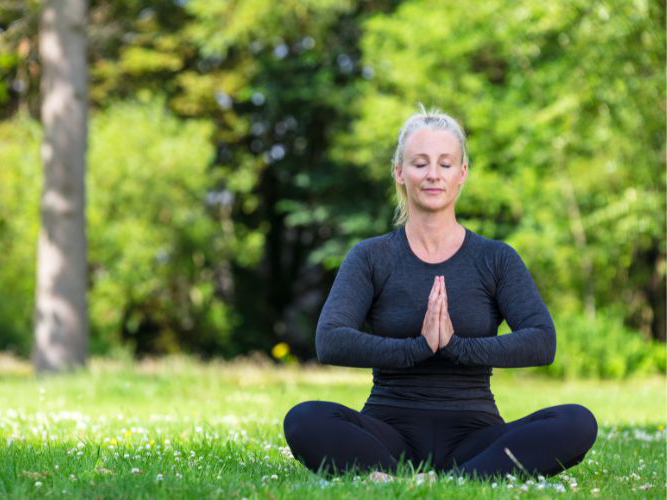
Meditation is not a single technique but a wide landscape of approaches, each offering a different doorway into awareness. Some practices invite quiet focus, others welcome the full spectrum of experience, and still others cultivate compassion or deep rest. Understanding these differences can help you choose a path that feels supportive rather than overwhelming, especially if you are wondering where to begin or how to deepen what you already practice.
One of the most familiar forms is breath awareness meditation, where attention rests gently on the natural rhythm of breathing. This style is often a good starting place because the breath is always present and provides a simple anchor for the mind. It tends to support people who are seeking steadiness, clarity, and a way to calm mental activity without needing complex instructions. Beginning with just a few minutes of noticing the inhale and exhale can gradually build concentration and ease.
Another approach is mindfulness or open awareness meditation, which involves observing thoughts, sensations, and emotions as they arise without trying to change them. This style can be especially supportive for those who are curious about their inner patterns or who want to develop greater emotional resilience. Rather than narrowing attention, mindfulness expands it, allowing experience to unfold within a field of gentle noticing. Many people find that this approach fosters insight and a sense of spaciousness in daily life.
Loving kindness or compassion meditation focuses on cultivating feelings of warmth and goodwill toward oneself and others. Through simple phrases or intentions, practitioners nurture qualities of patience, forgiveness, and connection. This style can be particularly helpful during times of emotional strain, loneliness, or self criticism, as it gradually softens the heart and encourages a more supportive inner dialogue.
Yoga Nidra, often described as yogic sleep, offers a different kind of meditation in which you rest comfortably while being guided through layers of awareness. Rather than concentrating, you are invited to sense the body, breath, and subtle experience while remaining deeply relaxed. This approach is especially supportive for those experiencing stress, fatigue, or difficulty settling the nervous system, and it can be a gentle entry point for people who find seated meditation challenging.
Mantra meditation uses a repeated sound or phrase to steady attention and quiet mental fluctuations. The repetition can be silent or spoken, and over time it can create a soothing rhythm that supports concentration and inner stillness. This style often resonates with those who appreciate structure or who feel comforted by sound as a focal point.
Movement based meditation, including walking meditation or slow mindful movement, integrates awareness with gentle motion. For individuals who feel restless or find it difficult to sit still, this approach can make meditation more accessible by allowing the body to participate in the process of settling. Attention rests on sensations of movement, contact with the ground, or the flow of energy through the body.
As you explore these different styles, it can be helpful to remember that there is no single correct way to meditate. The most supportive practice is one that meets you where you are and feels sustainable within your life. You might begin by experimenting with one approach for a few days or weeks, noticing how it affects your mood, energy, and sense of connection, and allowing your experience to guide you.
If you are wondering where to start, consider these gentle entry points:
- Begin with five minutes of simple breath awareness to build familiarity with stillness
- Try a short guided Yoga Nidra if you are feeling tired or overstimulated
- Explore loving kindness phrases during moments when the heart feels tender
- Take a mindful walk and notice the sensations of each step if sitting feels difficult
- Choose a practice that feels inviting rather than effortful, allowing curiosity to lead
Over time, meditation often becomes less about achieving a particular state and more about cultivating a relationship with awareness itself. Each style offers a unique perspective, and many people find that their practice evolves naturally as life changes, drawing on different methods at different times.
May your exploration be gentle and revealing, and may you discover the forms of practice that support clarity, steadiness, and a sense of belonging within your own experience.