
The Backlash to Over-Optimization in Wellness
In this article
- How to Reclaim Body Wisdom in a Trend-Driven Culture
- 4 Key Takeaways
- Why This Conversation Matters Right Now
- When Wellness Pulls Us Away From Ourselves
- Not Every Inner Pull Is Intuition
- Why Pause Matters
- The Difference Between Regulation and Stimulation
- Reclaiming Wellness Sovereignty
- What the Bigger Wellness Conversation Is Revealing
- FAQ
- What does over-optimization mean in wellness?
- Are cold plunges bad?
- How can I tell if something is intuition or just a pattern?
- What does it mean to clear the mental and emotional palate?
- Is tracking always a problem?
- What is wellness sovereignty?
- What kinds of practices support sovereignty most?
How to Reclaim Body Wisdom in a Trend-Driven Culture
In today’s wellness world, over-optimization, cold plunges, wearables, biohacking, and constant tracking can pull us away from body wisdom, nervous system balance, and intuitive health. This blog explores how to pause, clear mental and emotional noise, and make empowered wellness choices rooted in sovereignty rather than trend culture.
4 Key Takeaways
- More wellness is not always more wisdom. The current backlash exists because many people feel exhausted by turning health into performance, measurement, and self-surveillance.
- A body sensation is not always intuition. Sometimes what feels urgent, exciting, or “right” is being filtered through stress, conditioning, old coping patterns, or samskaric momentum rather than deep inner knowing.
- Trends can support health, but they can also hijack sovereignty. Practices like cold plunges, extreme tracking, and optimization routines may help some people, yet they can also override timing, context, readiness, and actual nervous system needs.
- Empowered wellness begins with pause, not impulse. When we clear the mental and emotional palate before making choices, we are more able to discern what is medicine, what is stimulation, and what is just the seduction of the moment.
Why This Conversation Matters Right Now
One of the clearest conversations in wellness right now is the pushback against over-optimization. The Global Wellness Summit named this one of the defining wellness themes of 2026, describing a culture that has become psychologically burdened by constant measuring, scoring, tracking, and trying to get the body “right.” Their language points to a growing hunger for emotional repair, nervous system safety, embodied care, and the return of pleasure and joy.
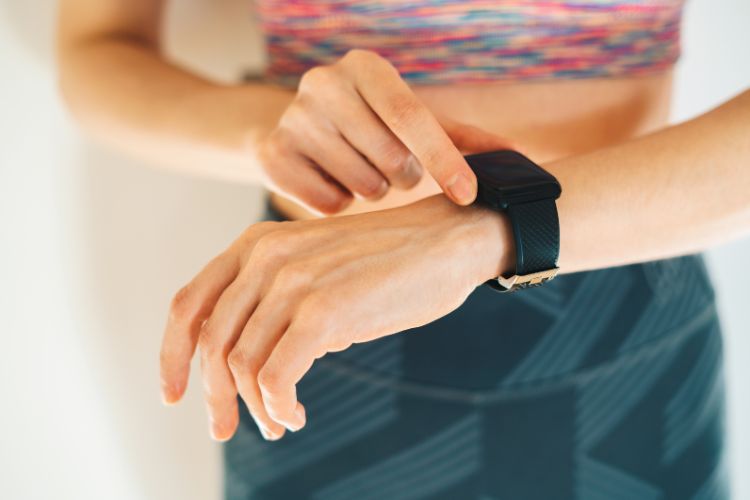
This matters because the body is no longer being approached simply as something to inhabit. It is increasingly being treated like a dashboard to monitor, optimize, correct, and upgrade. American College of Sports Medicine’s 2026 fitness trends place wearable technology at the very top of the list, which tells us something important about the cultural moment. We are living in a time when more and more people are being trained to relate to themselves through metrics first and felt sense second.
That does not make all tracking bad. It does mean we need discernment.
When Wellness Pulls Us Away From Ourselves
Many wellness practices begin with a sincere desire to feel better, heal, have more energy, reduce inflammation, regulate the nervous system, or live with more vitality. That longing is real. But longing can be easily manipulated when it meets a culture that profits from insecurity, urgency, and the promise of control.
This is where trends can become spiritually and psychologically slippery.
A cold plunge is a good example. It may offer a strong sensation, a feeling of mastery, an adrenaline rush, or a sense that something dramatic and beneficial is happening. For some people, there may be specific uses or short term benefits. But current coverage from Harvard Health, the American Lung Association, and other reporting continues to emphasize that the evidence base for broad health claims is limited, and the practice can carry real risks for some people, especially around cardiovascular stress and cold shock.
So the deeper question is not just, “Does this trend work?”
The deeper question is, “What is driving me toward it?”
Is it attunement, or is it fear? Is it clarity, or is it the need to do something intense so I can feel in control? Is it body wisdom, or am I outsourcing my authority to whatever is loud, viral, expensive, or glamorized?

Not Every Inner Pull Is Intuition
This is where the conversation becomes more honest and more nuanced, because not every craving, tendency, impulse, or body sensation is arising from deep wisdom. Sometimes it is coming from old conditioning, from emotional residue that has not yet been metabolized, or from samskaras, those familiar grooves within us that can feel true simply because they are well worn.
Someone may say, “My body is telling me I need this,” and sometimes that is true, but the body speaks in many dialects. It can speak from intelligence, but it can also speak from depletion, from survival adaptation, from compulsion, from social conditioning, or from a dysregulated nervous system that is grasping for relief and is willing to mistake intensity for healing.
This is why intuitive wellness and impulsive wellness are not the same thing. An urge is not necessarily wisdom, a sensation is not the same as discernment, and even a very strong feeling does not automatically make something true. At times, what we call intuition is actually an old pattern trying to keep itself alive.
Why Pause Matters
If wellness is going to be empowering, there has to be a pause between stimulus and choice.
Without pause, trend culture slips right into the space where sovereignty should be. It tells us what is urgent, what is effective, what is elite, what is advanced, what is worth buying, what proves we care about ourselves, and what proves we are serious about health. It colonizes the inner space where discernment should live.
Pause interrupts that hijacking.
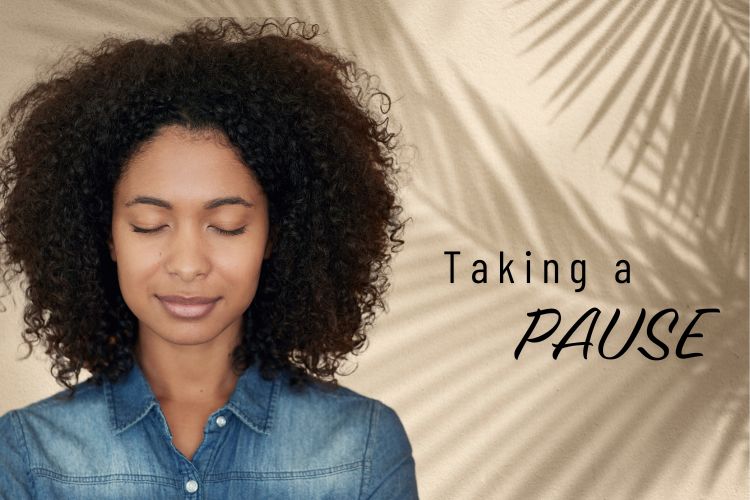
Pause gives the nervous system time to soften enough for deeper intelligence to come forward. Pause helps clear the mental and emotional palate so we are not making choices from comparison, fear, fascination, performance, or unresolved hunger. Pause helps us sense whether something is truly nourishing, merely stimulating, or subtly dysregulating.
In a wellness world full of noise, pause is not passive. It is power.
The Difference Between Regulation and Stimulation
This is another part of the conversation that matters right now.
Many modern wellness practices are sold as regulation tools, but some of them function more like stimulation tools. They create a dramatic shift in sensation, chemistry, attention, or mood, which can feel meaningful because it is intense. But intensity is not the same as regulation.
Regulation usually has a different texture. It feels steadier. It has less performance in it. It does not always look impressive from the outside. It may be slower, gentler, quieter, and less marketable. It might look like eating warm nourishing food, getting enough sleep, sitting in silence before deciding, walking without a device, breathing in a way that does not overwhelm the system, or choosing not to do the thing everyone else says is life-changing.
That quieter intelligence is harder to sell. But it is often closer to truth.
Reclaiming Wellness Sovereignty
Sovereignty in wellness means your body is not a project owned by trend culture.
It means your choices are not being dictated by algorithms, fear-based marketing, group excitement, or the desire to become more impressive through suffering. It means you are learning to distinguish between what is truly supportive for your constitution, your season of life, your emotional reality, your healing capacity, and your actual needs, and what is simply fashionable.
This does not mean rejecting every new practice. It means refusing to kneel to them.
It means asking better questions:
- Is this helping me trust my body more, or less?
- Do I feel more resourced after this, or more dependent on intensity?
- Is this choice coming from grounded clarity, or from subtle self-rejection?
- Would I still want this if nobody online was talking about it?
- Does this practice deepen relationship with myself, or make me more externally controlled?
These are wellness questions worth asking.
What the Bigger Wellness Conversation Is Revealing
The larger wellness world is already showing signs of this turn. Current trend reporting points toward emotional repair, nervous system safety, pleasure, inclusive care, and practices that feel more human and less machine-like. At the same time, wearables, apps, diagnostics, and hyper-personalized health technologies continue to expand. The tension now is not whether optimization exists. It is whether human beings can remain human inside it.
That is the real threshold.
Because the goal of wellness was never supposed to be perfect management of the self. The goal is a more intimate, skillful, awake relationship with life in the body.
And that relationship cannot be downloaded from a trend.
FAQ
What does over-optimization mean in wellness?
It refers to the growing habit of treating health like a constant improvement project through tracking, measuring, hacking, correcting, and maximizing everything. Current 2026 wellness reporting describes a backlash against exactly this mentality.
Are cold plunges bad?
Not inherently, but they are not universally beneficial and they are not risk-free. Current sources note that evidence for broad benefits is still limited and that cold exposure can create real strain for some people, especially those with certain health issues.
How can I tell if something is intuition or just a pattern?
A useful sign is whether the impulse becomes clearer with pause or whether it feeds on urgency. Intuition tends to deepen in steadiness, while old patterns often demand immediate action, emotional charge, or external validation.
What does it mean to clear the mental and emotional palate?
It means taking enough space before making a wellness choice so that fear, comparison, compulsion, excitement, and unresolved emotion do not make the decision for you. This might involve breath, silence, journaling, prayer, walking, grounding, or simply waiting until your system is less activated.
Is tracking always a problem?
No. Tracking can be useful when it supports awareness without replacing embodied intelligence. The problem begins when metrics become more authoritative than lived experience, or when they create anxiety, performance pressure, or disconnection from felt sense.
What is wellness sovereignty?
It is the capacity to make health choices from grounded self-relationship rather than from trends, fear, or manipulation. It is the return of authority to the person living in the body.
What kinds of practices support sovereignty most?
Practices that increase steadiness, honesty, interoception, and nervous system capacity tend to support sovereignty more than practices built on intensity, performance, or dependence. Often the most powerful practices are simple, repeatable, and relational rather than flashy.
Study the wisdom of Ayurveda
Ayurveda
Explore how Ayurveda can support personal practice, wellbeing, and skillful service.
Explore Ayurveda